Pre-hospital Emergency Care Glossary
Pre-hospital Emergency Care Glossary
In this glossary, you will find words from my field of study which is Pre-hospital care. You can study in this program in many schools, but mine is Ahuntsic College in Montreal. The glossary I made contains words that are for me difficult to pronounce. Though, they are words that comes back a lot in both the program and on the job. The words chosen are not some randoms words, so they will be useful. I found each definition on google or in a dictionary. You can scroll down to see all twenty words I chose. You will find for each word a definition, an image, the pronunciation, an example where to use the word and the translation of the word in French.
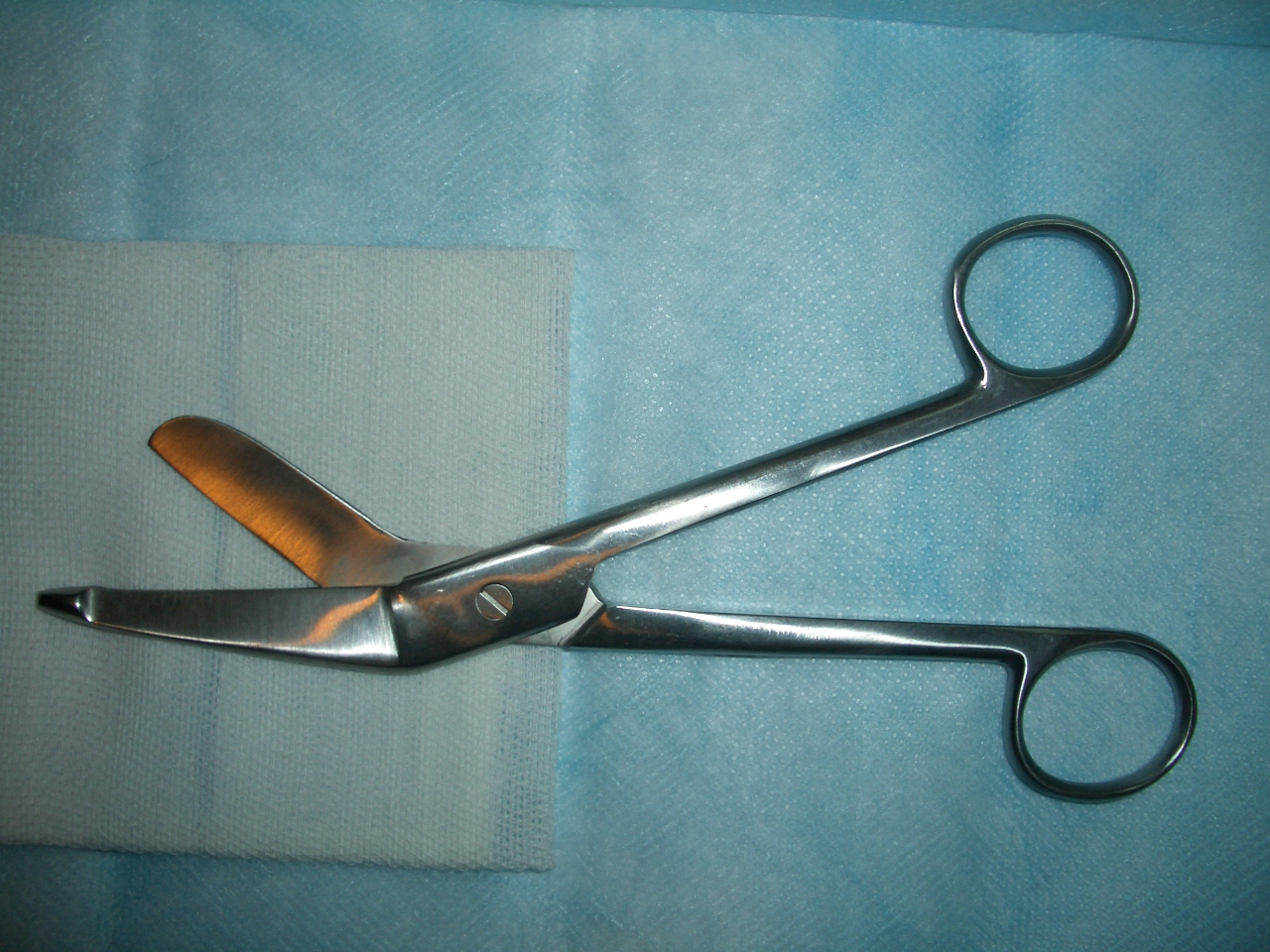
- bandage scissors
- plural noun
- Angled tip scissors, with a blunt tip on the bottom blade, which helps in cutting bandages without gouging the skin.
- Example: On the scene of an accident, the BANDAGE SCISSORS could be used to cut a bandage and dress a cut. The blunt tip will help to not make another injury.
- fr: ciseaux à bandage
- bradycardia
- noun
- A slowing heart rate to less than 50 times per minute.
- Example: However, BRADYCARDIA, hypotension and a reduced respiratory effort (or silent chest) may develop as the episode increases in severity and becomes life threatening.
- fr: bradycardie

- cardiopulmonary resuscitation (cpr)
- noun
- A medical procedure involving repeated compression of a patient's chest, performed in an attempt to restore the blood circulation and breathing of a person who has suffered cardiac arrest.
- Example: An important issue raised in this case was the issue of CARDIOPULMONARY RESUSCITATION in the event of a cardiac arrest.
- fr: réanimation cardiorespiratoire (rcr)

- catheter
- noun
- A flexible tube inserted through a narrow opening into a body cavity, particularly the bladder, for removing fluid.
- Example: The surgical drain and the CATHETER were removed and passed urine normally.
- fr: cathéter

- convulsion
- noun
- A sudden, violent, irregular movement of a limb or of the body, caused by involuntary contraction of muscles and associated especially with brain disorders such as epilepsy, the presence of certain toxins or other agents in the blood, or fever in children.
- Example: A seizure is a CONVULSION or transient abnormal event resulting from spontaneous, uncoordinated discharge of cerebral neurons.
- fr: convulsion

- defibrillator
- noun
- An apparatus used to control heart fibrillation by application of an electric current to the chest wall or heart.
- Example: The implantable cardioverter DEFIBRILLATOR has become the standard therapy for protecting patients against sudden cardiac death.
- fr: défibrillateur

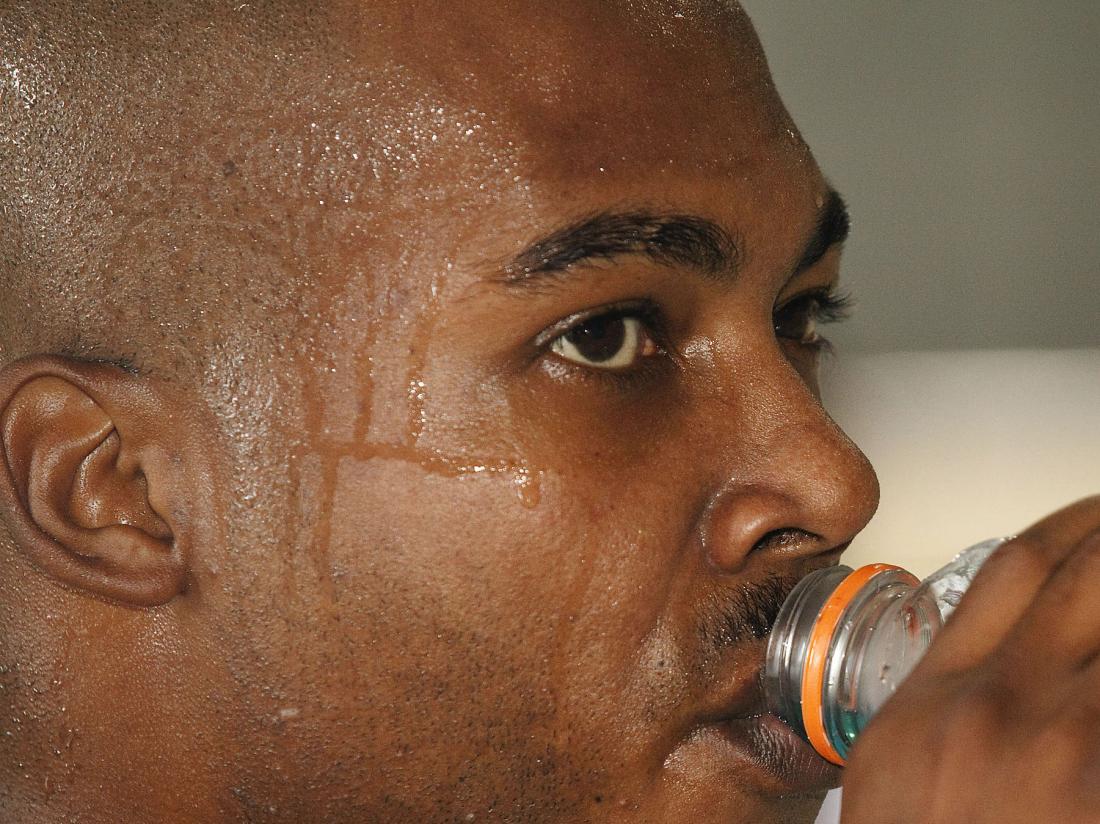
- diaphoresis
- adjective
- Excessive or abnormal sweating for no apparent reason. It often means you have an underlying medical condition, or you're experiencing a life event such as pregnancy or menopause.
- Example: You can’t always prevent DIAPHORESIS, but there are steps you can take to reduce excessive sweating.
- fr: diaphorèse
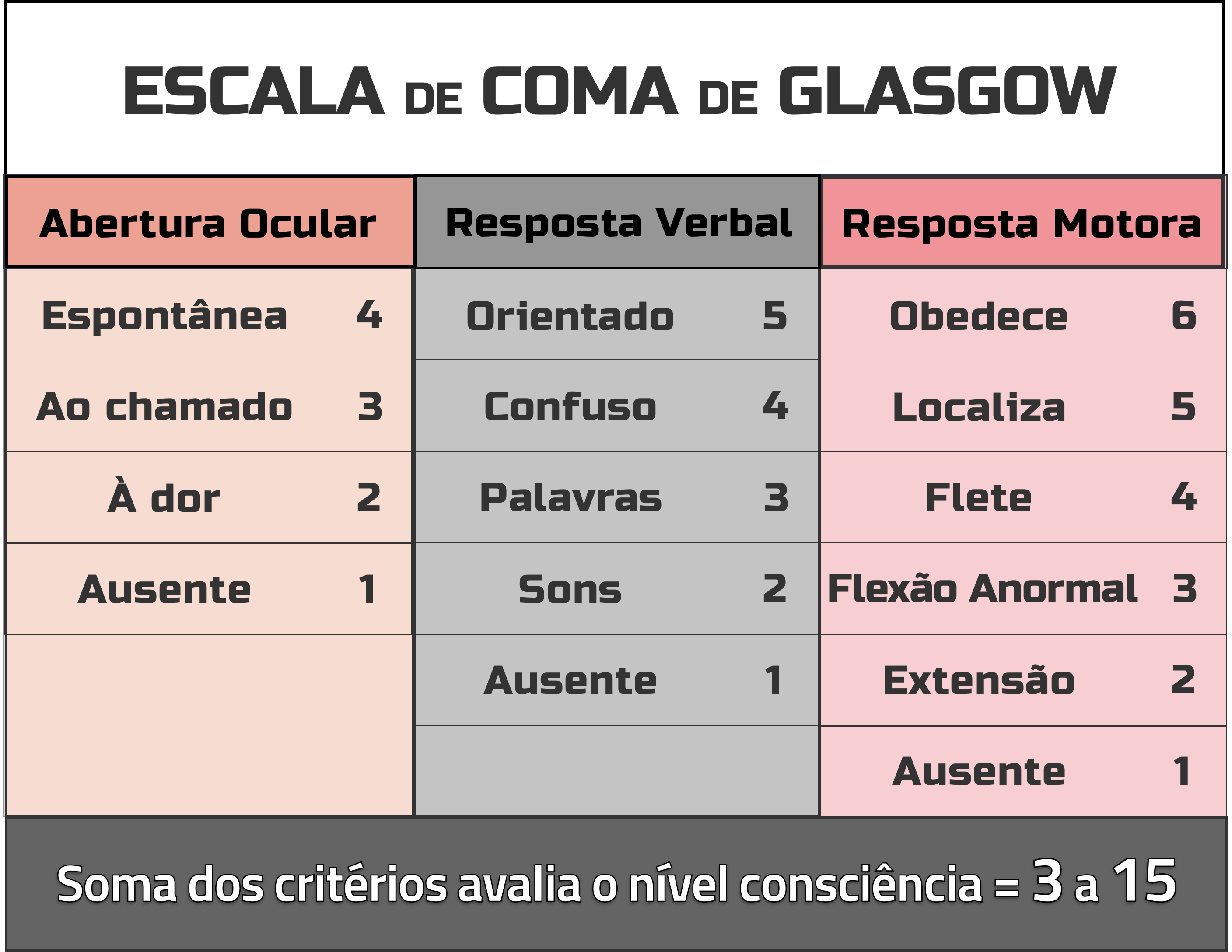
- glasgow coma scale
- phrase
- A neurological scale that aims to give a reliable, objective way of recording the conscious state of a person for initial as well as subsequent assessment in all types of medical case and trauma case.
- Example: Respiratory System Respiratory rate 16 breaths per minute. Vesicular breath sounds were present. Chest was clear - no wheeze crackles. Saturation - 100% on air. GLASGOW COMA SCALE 15/15.
- fr: échelle de coma de glasgow
- hemorrhage
- noun
- An acute loss of blood from a damaged blood vessel.
- Example: Pressure applied with a sterile pressure dressing will control HEMORRHAGE.
- fr: hémorragie

- hypotension
- noun
- A decrease in systemic blood pressure below accepted low values.
- Example: BP dropped significantly on standing, indicating that her dizziness is due to postural HYPOTENSION.
- fr: hypertension

- myocardial infarction
- phrase
- Happens when one or more areas of the heart muscle don't get enough oxygen. This happens when blood flows to the heart muscle is blocked.
- Example: Acute MYOCARDIAL INFARCTION accounts for one of the most common causes of mortality worldwide accounting for approximately 6.3 million deaths in 1990.
- fr: infarctus du myocarde

- nitroglycerin
- noun
- An explosive yellow liquid made by nitrating glycerol, used in explosives such as dynamite. It is also used in medicine as a vasodilator in the treatment of angina pectoris.
- Example: NITROGLYCERIN should be used to treat angina.
- fr: nitroglycérine

- oropharyngeal cannula
- phrase
- An airway adjunct used to maintain or open the airway by stopping the tongue from covering the epiglottis. In this position, the tongue may prevent an individual from breathing.
- Example: A nurse inserted a OROPHARYNGEAL CANNULA in a patient's mouth because he couldn't breathe properly while being unconscious.
- fr: canule oropharyngée

- pneumothorax
- noun
- The presence of air or gas in the cavity between the lungs and the chest wall, causing collapse of the lung.
- Example: Important differential diagnoses to exclude would include an acute infective exacerbation of COPD, pulmonary oedema (cardiac asthma), URTI, PE, PNEUMOTHORAX, anaphylactic shock and airway obstruction by a foreign body or tumor.
- fr: pneumothorax

- salbutamol
- noun
- A synthetic compound related to aspirin, used as a bronchodilator in the treatment of asthma and other conditions involving constriction of the airways.
- Example: He tried using nebulised SALBUTAMOL several times throughout the night, however this had little effect and his PEFR fell to 250.
- fr: salbutamol

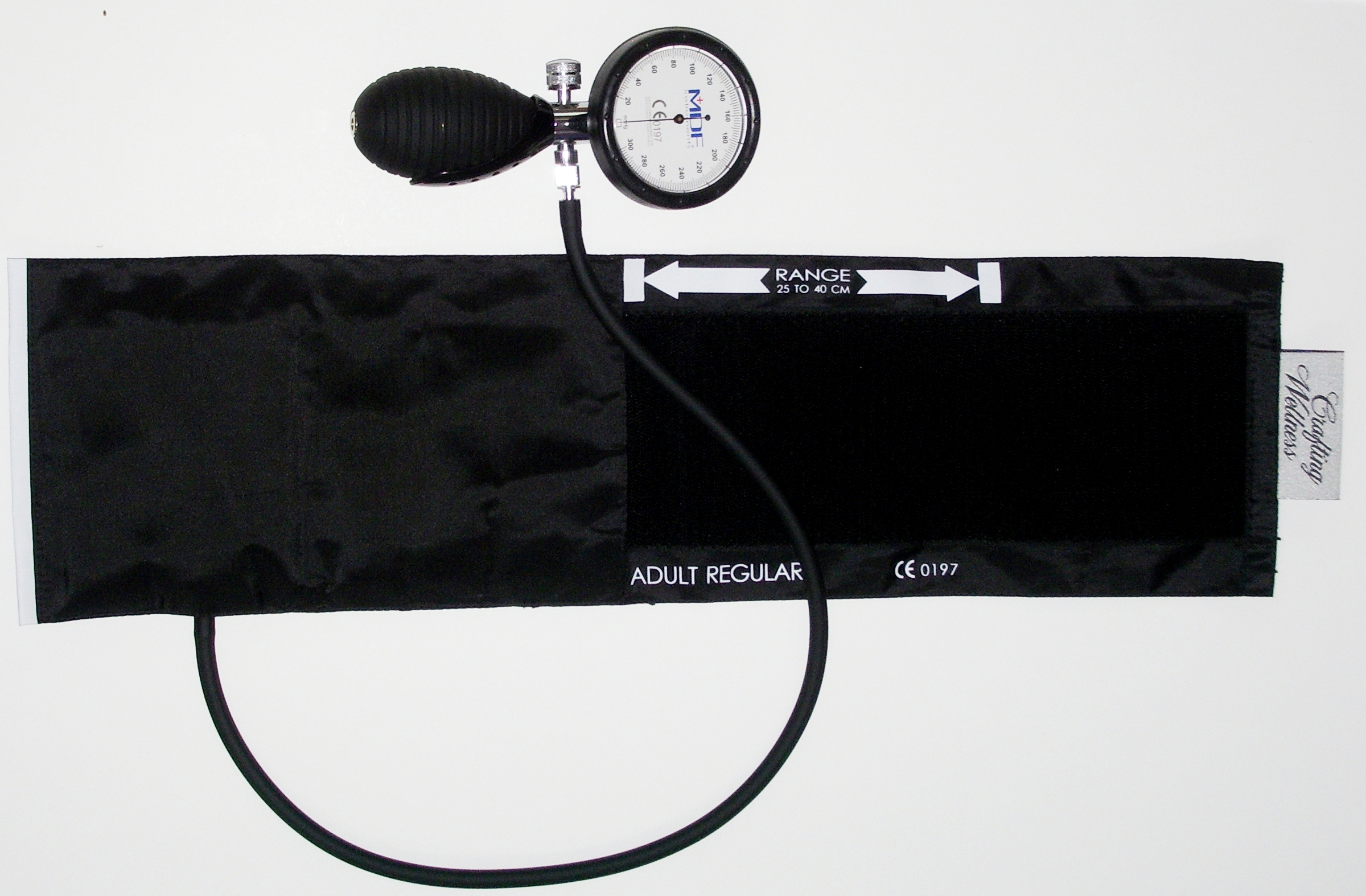
- sphygmomanometer
- noun
- An instrument for measuring blood pressure, typically consisting of an inflatable rubber cuff which is applied to the arm and connected to a column of mercury next to a graduated scale, enabling the determination of systolic and diastolic blood pressure by increasing and gradually releasing the pressure in the cuff.
- Example: The paramedic had to take her SPHYGMOMANOMETER to take the blood pressure of the patient because she seemed to be hypotensive.
- fr: sphygmomanomètre
- thrombus
- noun
- A blood clot formed in situ within the vascular system of the body and impeding blood flow.
- Example: Prescription medical intervention Mr would have been put on anti-coagulation medication to reduce the risk of THROMBUS and possible DVTs or strokes.
- fr: thrombus

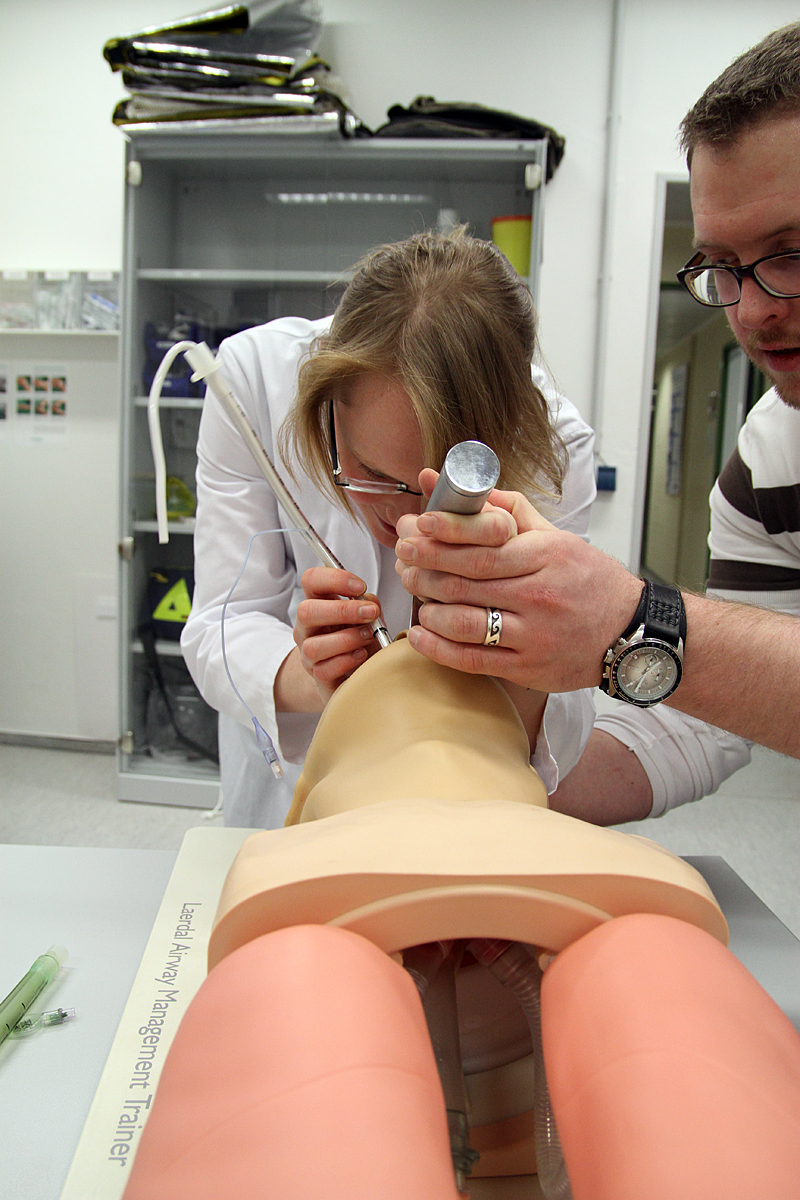
- tracheal intubation
- phrase
- It is the insertion of a tube into the mouth of the patients to help them to breath better.
- Example: The patient couldn't breathe on his own, so they had to do a TRACHEAL INTUBATION.
- fr: intubation trachéale
- vital signs
- noun
- Clinical measurements, specifically pulse rate, temperature, respiration rate, and blood pressure, that indicate the state of a patient's essential body functions.
- Example: Management Investigations Monitor VITAL SIGNS (such as pulse, blood pressure, electrolytes and temperature) to ensure that she doesn't develop any post-operative complications such as a blood clot.
- fr: signes vitaux

- wheezing
- adjective
- A continuous whistling sound produced in the respiratory airways during breathing. For wheezes to occur, some part of the respiratory tree must be narrowed or obstructed, or airflow velocity within the respiratory tree must be heightened.
- Example: History PC: Mr presented with breathlessness, WHEEZING and a significantly reduced PEF.
- fr: respiration sifflante

Commentaires
Publier un commentaire